What Is Peloid Therapy?
Peloid therapy — commonly known as mud therapy or fangotherapy — is a centuries-old treatment that uses naturally occurring mineral-rich mud, peat, or clay for medical purposes. The term "peloid" was adopted by the International Society of Medical Hydrology in 1949 to describe any naturally occurring material that is mixed with mineral water and applied to the body for therapeutic benefit.
Throughout Europe, peloid therapy has been used since ancient times. Greek and Roman physicians prescribed mud baths for arthritis and skin ailments. Today, it remains a key component of medical spa programs in countries like Bulgaria, Hungary, Czech Republic, and Italy, where natural mud deposits are harvested from lakes, volcanic areas, and mineral spring basins.
Types of Therapeutic Mud
Not all therapeutic muds are created equal. The composition and origin determine the treatment properties:
- Sulfurous mud (Fango): Formed when mineral water interacts with volcanic clay over centuries. Rich in sulfur compounds, this type is especially effective for inflammatory joint conditions. Italy's Euganean Hills and Bulgaria's Pomorie Lake are famous sources.
- Peat (Torf): Decomposed organic matter from marshlands, rich in humic acids and natural anti-inflammatory compounds. Commonly used in Czech and German health resorts for treating rheumatic conditions.
- Sapropel: Lake-bottom sediment rich in organic matter and trace minerals. Found in many Bulgarian and Baltic lakes, it's valued for its gentle warming effect and high mineral content.
- Lye (Luga): A mineral-rich residue from salt lakes and mineral springs, used in Bulgarian balneology for targeted applications on joints and muscles.
How Mud Therapy Works
The therapeutic mechanisms of peloid treatment are multifaceted:
- Deep heat therapy: Mud retains heat far longer than water. When applied at 42–46°C, it delivers sustained warmth deep into tissues, increasing local blood flow by up to 300% and accelerating the removal of inflammatory mediators.
- Mineral absorption: Active compounds — sulfur, magnesium, calcium, iron, humic acids — penetrate through the skin during the 20–30 minute application, providing local anti-inflammatory and analgesic effects.
- Compression effect: The weight and density of the mud layer creates gentle pressure on the treated area, supporting circulation and reducing edema.
- Hormonal response: Research published in the Journal of Clinical Endocrinology has shown that mud therapy stimulates the release of beta-endorphins and cortisol, the body's natural pain-relieving and anti-inflammatory hormones.
What Happens During a Peloid Treatment Session
A typical mud therapy session at a European medical spa follows these steps:
- Medical assessment: A physician evaluates your condition, checks vital signs, and determines the appropriate mud type, temperature, and application area.
- Preparation: The therapeutic mud is heated to 42–46°C in a specialized warming unit. The treatment area is prepared — you'll typically lie on a treatment table covered with plastic sheeting.
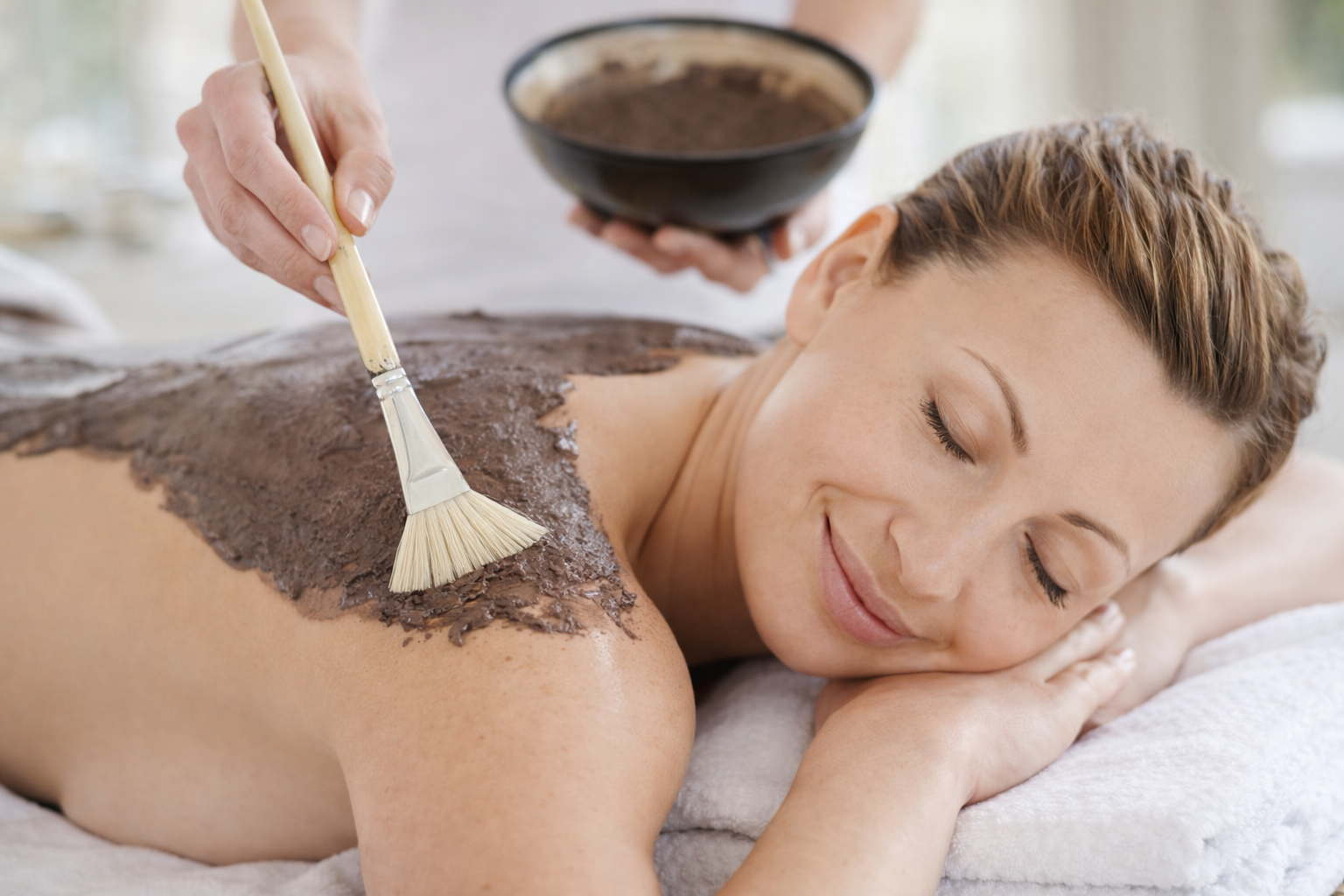
- Application: Warm mud is applied in a thick layer (3–5 cm) to the target area — it may be a full-body wrap, or localized applications on joints, the spine, or specific muscle groups.
- Wrapping and rest: The treated area is wrapped to retain heat. You rest for 20–30 minutes while the mud works its therapeutic magic.
- Removal and cleansing: The mud is gently removed, and you may shower or be rinsed with mineral water.
- Post-treatment rest: A 30–60 minute rest period follows, often combined with light hydration.
Conditions Treated with Mud Therapy
- Degenerative joint diseases: Osteoarthritis of the knees, hips, and spine — the most common indication
- Inflammatory rheumatic conditions: Rheumatoid arthritis (in remission phase), ankylosing spondylitis
- Chronic pain syndromes: Fibromyalgia, chronic low back pain, myofascial pain
- Skin conditions: Psoriasis, chronic eczema, acne — using sulfurous or sapropelic muds
- Post-traumatic recovery: After fractures, sprains, and surgical procedures on joints
- Gynecological conditions: Chronic pelvic inflammatory disease, certain forms of infertility — treated at specialized centers
Scientific Evidence
A systematic review published in Rheumatology International (2020) analyzed 15 randomized controlled trials involving over 1,200 patients with osteoarthritis. The review concluded that mud therapy produced significant reductions in pain scores (average 40% improvement) and improved physical function, with effects lasting up to 9 months after treatment.
Bulgarian peloid resources are particularly diverse. The mud from Pomorie Lake on the Black Sea coast contains over 35 mineral and organic compounds and has been used therapeutically for over 2,500 years. It is classified as a sulfide-rich sapropelic mud with proven anti-inflammatory and analgesic properties.
Contraindications
Mud therapy is not suitable for everyone. Contraindications include acute inflammatory conditions, fever, uncontrolled hypertension, heart failure, varicose veins in the treatment area, open wounds, and active malignancies. Pregnant women should also avoid peloid treatments. Always undergo a medical assessment before starting therapy.